Most of us know our chronological age—the number of years since we were born. But your mental age tells a different story. It reflects your maturity, mindset, and emotional outlook, often explaining why you might feel younger or older than people your own age.
So, why is mental age important? Because it offers insight into how you think, behave, and connect with others—sometimes more accurately than the date on your ID.
Why Is Mental Age Important?
1. Mental Age Helps Build Self-Awareness
Understanding your mental age is like holding up a mirror to your inner self.
- A lower mental age often signals playfulness, openness, and curiosity.
- A higher mental age may reflect wisdom, responsibility, and caution.
This awareness lets you:
- Recognize patterns in your decision-making.
- See whether your mindset matches your goals.
- Adjust habits to strike a better balance between fun and maturity.
Understand how our mental age test works and why it matters.
2. It Shapes Relationships and Communication
Your mental age influences how you connect with people around you.
- Someone with a youthful mental age may gravitate toward adventurous or flexible friends.
- Someone with a more mature mental age may find comfort in stable, responsible relationships.
Recognizing this difference can:
- Reduce misunderstandings with partners or colleagues.
- Improve empathy by showing why others may act “older” or “younger” than their actual age.
- Strengthen communication by adjusting expectations.
Explore the importance of emotional maturity in overall mental development.
3. It Guides Emotional Intelligence and Growth
Mental age also reflects how you handle emotions and stress.
- A younger mental age might make you spontaneous and adaptable but also more impulsive.
- An older mental age might mean you’re thoughtful under pressure but may resist change.
Knowing where you fall can help you:
- Develop coping strategies tailored to your mindset.
- Find balance between caution and creativity.
- Use emotional intelligence to grow in both personal and professional areas.
Learn the difference between mental age and chronological age to see what your score truly reflects.
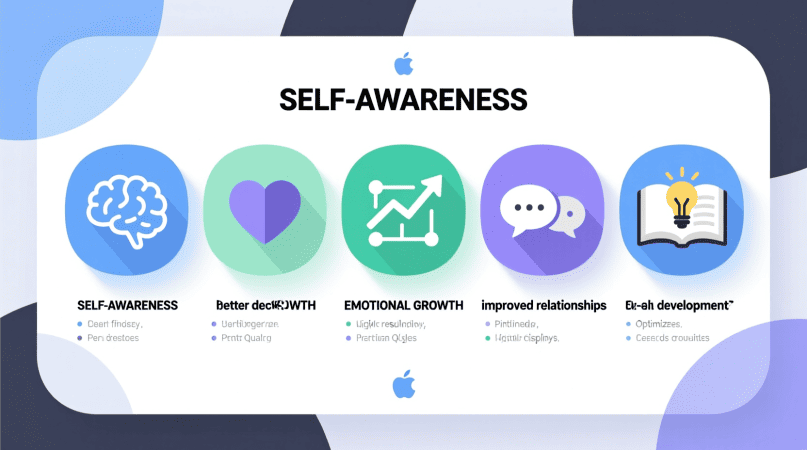
At a Glance: Why Mental Age Matters
| Benefit | What It Means for You |
|---|---|
| Self-awareness | Understand your strengths and blind spots |
| Better relationships | Adjust how you connect with others |
| Emotional growth | Improve resilience and balance |
What to Do Once You Know Your Mental Age
- Reflect: Does it feel accurate?
- Embrace strengths: Use your creativity, wisdom, or adaptability to your advantage.
- Find balance: If you lean too young, add responsibility. If too mature, allow more playfulness.
Discover how to improve your mental age through daily habits and mindset changes.
FAQs
1. Why is mental age more important than real age?
Because it reveals how you think and feel, which often shapes your daily life more than your birth date.
2. Does mental age affect relationships?
Yes. A difference in mental age can influence compatibility and communication styles.
3. Can mental age change over time?
Absolutely. New experiences, stress, or personal growth can shift your mental age.
4. Is mental age the same as IQ?
No. IQ measures cognitive ability, while mental age reflects mindset and maturity.
5. Why should I care about my mental age?
Because it helps you understand yourself better, make healthier choices, and connect more meaningfully with others.
- The value of self-awareness is explained in why is mental age important.
- How maturity affects daily life is explored in emotional maturity.
- Decision-making patterns are described in mental age and decision making.
- You can reflect on your own outlook by taking the mentalagetest.
- Different maturity stages are outlined in age ranges.
- Ways to use this insight appear in the improvement guide.